

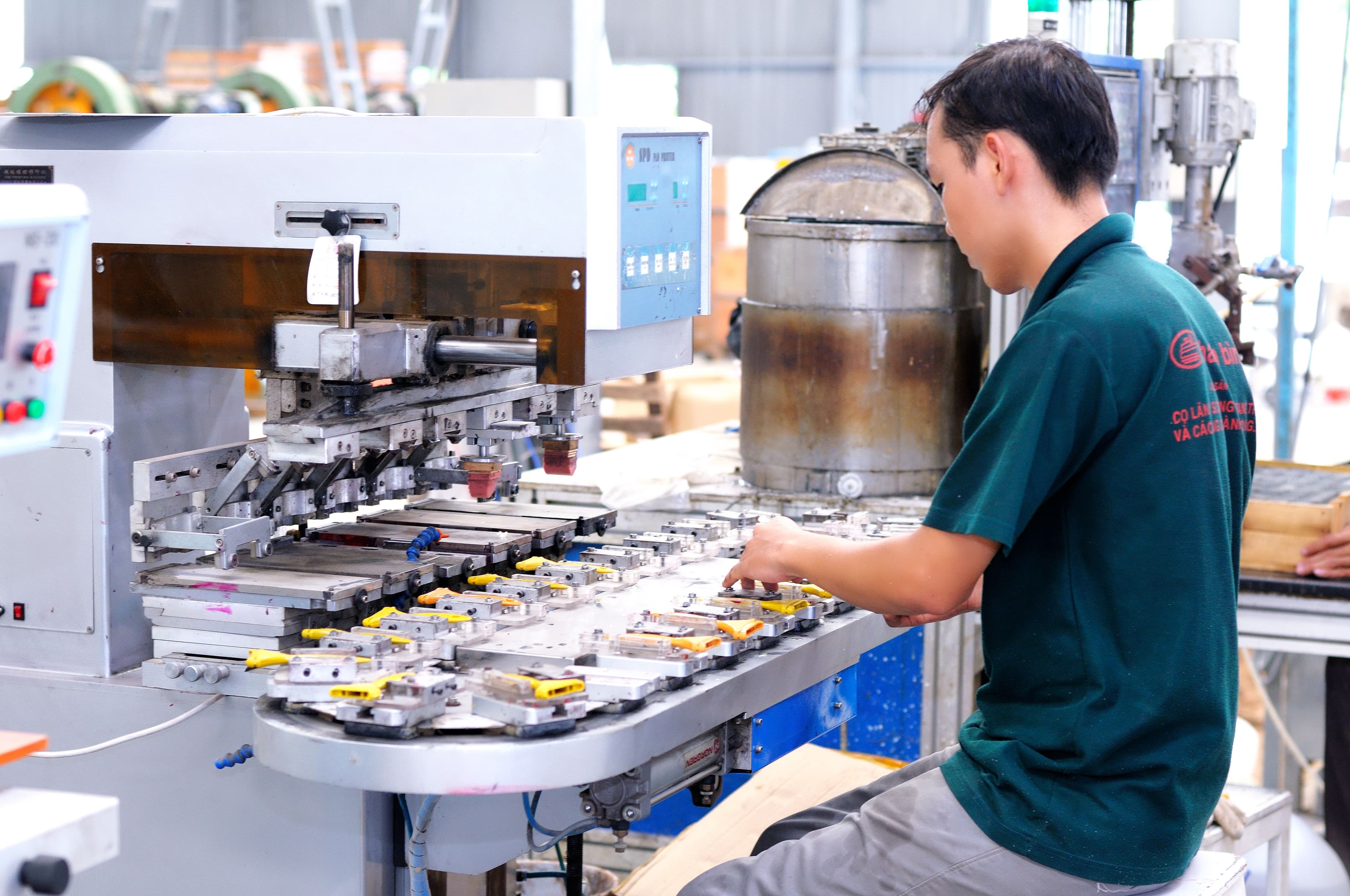

OPAG shaped a governed AI batch-release agent for Ajwa Group that flagged 34 spice and confectionery QA exceptions across production lots, QA checks, lab records, allergen labels, packaging evidence, inventory holds, complaint history, and approval status. The agent prepared source-linked evidence packets and routed review; it did not release, rework, relabel, or quarantine batches automatically.
Key takeaways
The case study is built around one feature: batch-release exception review for spice and confectionery operations, not a broad Ajwa Group AI profile.
The agent combined OPAG Predictive AI for QA risk scoring with Agentic AI for hold-and-release routing, approval gates, override tracking, and audit trails.
This case study links with OPAG guidance on FMCG demand and inventory AI, manufacturing AI agents, and the related Ajwa cold-chain claims case study because food-manufacturing decisions need quality, production, inventory, customer, and finance evidence together.
What did the OPAG batch-release agent do for Ajwa Group?
The OPAG batch-release agent flagged spice and confectionery QA exceptions, prepared source-linked evidence packets, identified missing records, and routed quality, production, packaging, inventory, or management review with an audit trail.
Food manufacturing quality decisions depend on more than one checklist. A batch may look ready in production while lab evidence, allergen label checks, packaging artwork, inventory hold status, or customer-complaint history still needs review.
OPAG narrowed the workflow to one agent capability: batch-release exception review. The agent prepared 34 review packets so Ajwa teams could see what evidence supported release, what was missing, who owned the next action, and which approvals were still required.
The answer-first summary is this: OPAG used governed AI to make QA review faster, source-linked, and auditable while keeping batch release, rework, relabeling, and quarantine decisions with accountable people.
Why does batch-release AI matter for spice and confectionery production?
Batch-release AI matters because quality, production, inventory, packaging, and finance teams need fast evidence before releasing goods, holding stock, approving rework, changing labels, or responding to customer quality issues.
A spice or confectionery exception can start in a lab result, packaging label, allergen declaration, production deviation, customer complaint, warehouse hold, certificate-of-analysis request, or delivery commitment.
When evidence is scattered across teams, release decisions slow down and quality risk becomes margin risk. OPAG designed the agent to show what was known, what was missing, which owner needed to review it, and which approval threshold applied.
- Quality teams needed lab, sensory, COA, and nonconformance evidence grouped by batch and product.
- Production teams needed deviation, rework, shift, and line context before clearing a batch for next steps.
- Packaging teams needed label, allergen, lot-code, and artwork evidence before relabeling or release.
- Inventory and finance teams needed hold status, sales commitments, credit exposure, and customer-complaint context.
How did the agent flag 34 batch-release QA exceptions?
The agent compared production lots, QA checks, lab records, allergen labels, packaging evidence, inventory holds, customer complaints, and approval history, then prepared exception packets for the correct reviewer.
The workflow started with approved sources and role-based access. A QA reviewer did not need full finance context, and a finance reviewer did not need unrestricted lab detail. Each view exposed the evidence needed for that decision owner.
Each packet included a short reason for review, linked source evidence, missing fields, affected product and quantity, current hold status, recommended owner, approval requirement, and audit history. That made release readiness inspectable before action.
- Scan: review production lots, QA forms, lab checks, COA requests, label files, inventory holds, customer complaints, and prior overrides.
- Score: rank exceptions by safety sensitivity, allergen risk, label mismatch, lab gap, rework likelihood, stock value, and customer impact.
- Draft: prepare a source-linked packet with evidence, missing records, assumptions, and the next accountable reviewer.
- Route: send lab gaps to QA, label issues to packaging, stock holds to inventory owners, and release-risk decisions to management.
- Audit: record source retrieval, recommendation, reviewer edit, approval, rejection, escalation, and override reason.
What governance kept batch-release decisions under control?
Batch-release decisions stayed controlled through role-based access, source-linked evidence, release approval gates, rework and relabeling approvals, override tracking, and audit logs.
Food quality workflows touch product safety, brand trust, customer commitments, inventory value, and finance exposure. OPAG separated evidence preparation from approval so the agent could support review without owning the decision.
The control layer defined what the agent could read, flag, summarize, draft, route, and log. Release, quarantine, rework, relabeling, stock adjustment, customer communication, and credit actions required human approval.
- Role-based access separated QA, lab, packaging, production, inventory, sales, finance, and management context.
- Source evidence showed why each batch was ready, blocked, disputed, escalated, or rejected.
- Approval gates protected batch release, rework, relabeling, stock holds, customer commitments, and finance-impacting actions.
- Override tracking captured accepted, edited, rejected, escalated, and reopened exception packets.
- Audit logs supported quality review, operations governance, customer response, and model-quality checks.
Which OPAG services connect to batch-release QA AI?
This case study connects to OPAG Predictive AI, Agentic AI, Conversational AI, manufacturing AI, FMCG inventory governance, and AI ROI modeling.
The batch-release agent shows how OPAG connects manufacturing and quality signals to accountable decisions. Predictive AI ranks release risk, Conversational AI answers source-linked questions, and Agentic AI routes each packet through the correct review path.
The same pattern can support spices, confectionery, frozen foods, FMCG distribution, agriculture, livestock, restaurants, packaged goods, and any operation where quality evidence, inventory, customer commitments, and approvals interact.
- Predictive AI: exception scoring for QA gaps, label mismatches, inventory holds, customer impact, and rework risk.
- Agentic AI: review queues, approval thresholds, escalation, override tracking, and audit trails.
- Conversational AI: source-linked answers for QA, production, packaging, inventory, and management teams.
- AI ROI modeling: measuring release-cycle time, hold reduction, rework cost, complaint prevention, and adoption.
What can another food manufacturer copy from this case study?
Another food manufacturer can copy the pattern by starting with one release decision, connecting approved evidence, defining human approvals, and measuring cycle time, hold aging, rework cost, complaint risk, and release accuracy.
The strongest first food-manufacturing workflow is usually not broad plant automation. It is one repeated decision where teams already collect evidence but lose time proving whether the decision is ready.
After the batch-release workflow earns trust, OPAG can extend the same controlled pattern into supplier quality recovery, cold-chain claims, customer complaint evidence, production downtime, and finance reporting.
- Start with one measured decision such as batch release, hold review, rework approval, or label-change approval.
- Connect QA, lab, production, packaging, inventory, complaint, and approval sources only where needed.
- Define which recommendations can be shown, drafted, approved, or executed.
- Track accepted, edited, rejected, and overridden recommendations against release outcomes.
- Expand only after quality and operations leaders trust the evidence and approval workflow.
Frequently asked questions
Did the OPAG batch-release agent automatically release products?+
No. The workflow emphasized evidence preparation and routed review. Batch release, quarantine, rework, relabeling, stock adjustment, customer communication, and finance-impacting actions required human approval.
What data does a batch-release AI agent need?+
Useful sources include production lots, QA forms, lab checks, certificate-of-analysis records, allergen labels, packaging artwork, inventory holds, customer complaints, sales commitments, approval rules, and override history.
Which OPAG capabilities power this food-manufacturing case study?+
The case study combines Predictive AI for risk scoring, Conversational AI for source-linked answers, and Agentic AI for governed review routing and approval logs.
Can this batch-release pattern work outside spices and confectionery?+
Yes. The same evidence-to-approval pattern can fit frozen foods, FMCG, agriculture, livestock products, packaged goods, restaurants, and any operation where quality evidence and customer commitments need controlled review.
What would this workflow look like in your business?
Talk with OPAG about the systems, agent steps and human decisions around it.
Discuss the workflow