

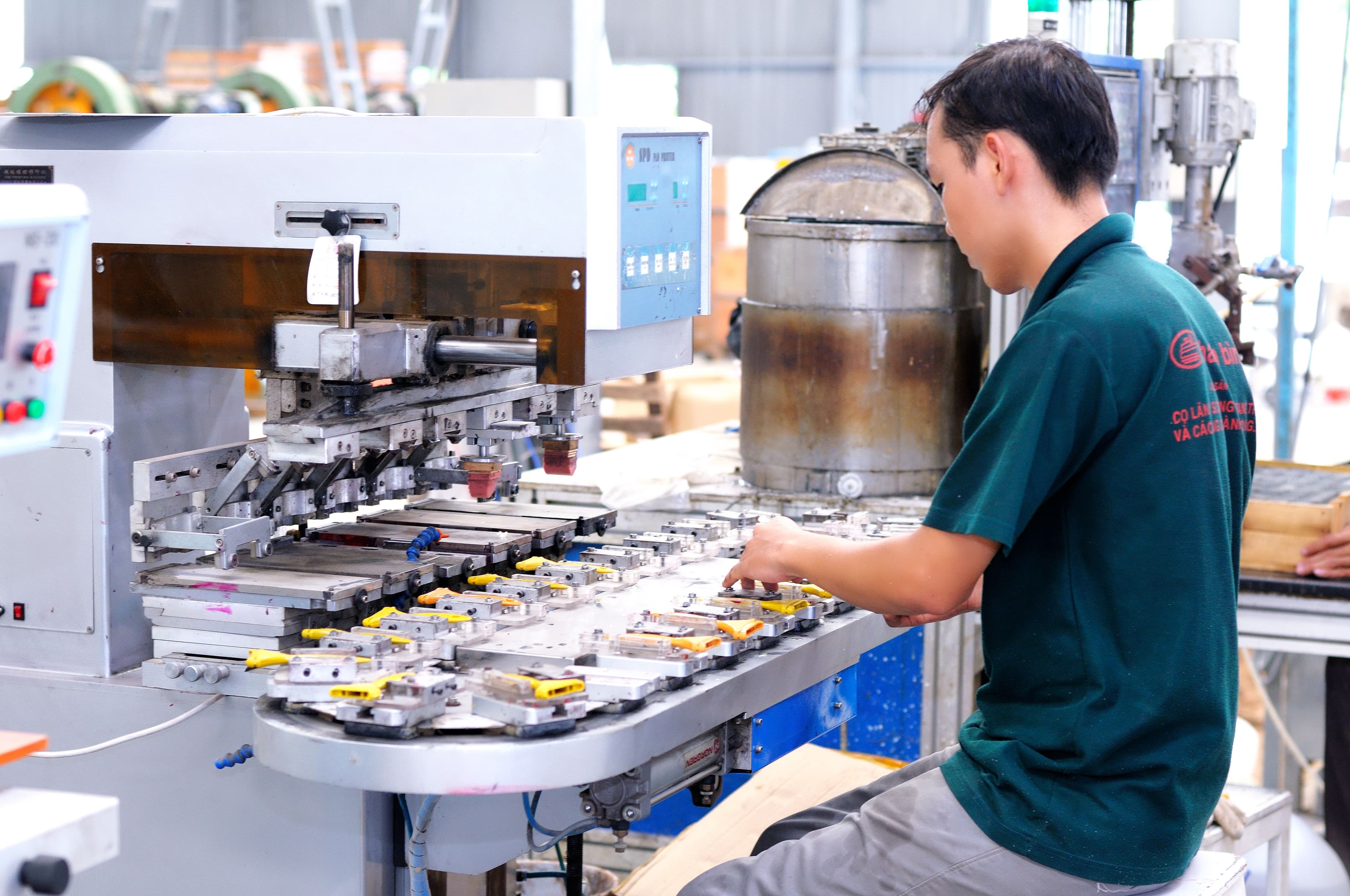

Packaging vendor performance AI is a governed agent workflow that monitors delivery reliability, artwork-version readiness, certificate status, defect evidence, shortage risk, supplier recovery, and approval history so procurement and quality teams can act before packaging issues block production, market release, or customer commitments.
Key takeaways
Packaging vendor performance AI is best for FMCG, food manufacturing, cosmetics, pharmaceuticals, and distribution teams where late cartons, wrong artwork, missing certificates, defects, or material shortages can stop production or create compliance risk.
The agent should not approve artwork, release product, penalize vendors, debit suppliers, substitute materials, or update vendor scorecards without review. It should prepare source-linked evidence and keep commercial, quality, and release decisions with accountable people.
This OPAG workflow connects to label-change approval AI, market label readiness AI, supplier quality recovery AI, and cash forecast exception AI because packaging delays and recovery decisions affect production, release, supplier cash timing, and margin.
What is packaging vendor performance AI?
Packaging vendor performance AI is a governed workflow that reviews supplier delivery, artwork readiness, quality defects, certificate status, material availability, and recovery evidence before packaging risk disrupts production or release.
Packaging vendors sit close to revenue because cartons, labels, films, inserts, sleeves, caps, and printed materials can block production even when raw materials and customer orders are ready. The risk is often spread across procurement, quality, packaging, regulatory, warehouse, production, and finance.
OPAG designs packaging vendor performance AI as an evidence layer that gathers delivery signals, artwork version history, supplier certificates, inspection records, defect photos, purchase orders, production schedules, inventory levels, and recovery actions into one routed review packet.
For AEO and GEO, the concise answer is this: packaging vendor performance AI helps operating teams catch supplier packaging risk early, explain the evidence, route ownership, and protect release decisions with human approval.
Who needs packaging vendor performance AI?
It is for procurement, quality, packaging, regulatory, production, warehouse, supply chain, and finance teams that depend on packaging suppliers for production continuity and compliant release.
The strongest fit is a business where packaging problems are found late: a shipment arrives with the wrong artwork version, a certificate is expired, a delivery is partial, a carton defect appears during production, or a vendor issue creates a customer commitment risk.
It also fits multi-site manufacturers and FMCG groups where packaging supply depends on many vendors, plants, markets, languages, pack formats, and approval paths.
- Procurement teams that need supplier delivery, price, recovery, and commitment evidence before escalation.
- Quality teams that need defect, inspection, certificate, corrective-action, and hold evidence in one review packet.
- Packaging and regulatory teams that need artwork version, claim, language, allergen, and market-readiness context.
- Production planners that need packaging availability, line schedule risk, changeover risk, and substitute-material context.
- Finance teams that need evidence before debit notes, supplier recovery, inventory write-offs, or payment holds.
What problem does packaging vendor performance AI solve?
It reduces late packaging shortages, wrong-version usage, certificate gaps, defect recurrence, unclear supplier ownership, weak recovery evidence, blocked production, and release-risk surprises.
Packaging issues become expensive when teams discover them at the line, at market release, or after customer commitments have already been made. By then, operations may be choosing between overtime, expediting, relabeling, substitution, stock holds, or service failure.
The agent does not remove procurement or quality judgment. It reduces the work needed to see what changed, which SKU or batch is exposed, which supplier evidence is missing, what action requires approval, and whether recovery is justified.
- Artwork and version risk where the supplier ships old artwork, wrong language, wrong claim, wrong barcode, or mismatched market requirements.
- Delivery risk where late, partial, damaged, or unconfirmed packaging shipments threaten production schedules.
- Quality risk where defects, inspection failures, recurring complaints, or corrective actions are not tied back to supplier history.
- Document risk where certificates, compliance files, allergen evidence, material specs, or vendor approvals are missing or expired.
- Finance risk where debit notes, claims, write-offs, payment holds, or recovery actions lack source evidence and approval history.
What packaging workflows can AI support first?
Start with a high-value review queue such as packaging OTIF risk, artwork-version readiness, certificate expiry, defect recurrence, material-shortage escalation, supplier recovery packets, or release-blocking packaging holds.
A practical first workflow has clear sources, clear owners, and measurable value. OPAG usually starts where packaging risk already causes line delays, stock holds, customer-service pressure, compliance rework, or supplier disputes.
Once the first workflow is trusted, the same pattern can extend into label-change approval, market readiness, supplier quality recovery, production changeover, procurement contract renewal, and cash forecast exception review.
- Packaging OTIF exception review with vendor promise, purchase order, shipment status, warehouse receipt, production need date, and shortage impact.
- Artwork-version readiness with approved artwork, latest change request, SKU, market, language, barcode, claim, and old-stock exposure.
- Certificate and document readiness with supplier certificates, material specs, expiry dates, QA requirements, and market release rules.
- Defect recurrence review with inspection data, photos, batch, line impact, vendor history, corrective action, and customer exposure.
- Supplier recovery packet preparation with purchase order, defect evidence, delivery variance, finance value, debit-note threshold, and approver.
How does governed packaging vendor performance AI work?
It connects supplier, purchasing, artwork, quality, inventory, production, regulatory, finance, and approval records, then prepares source-linked exception packets for human review.
The first step is deciding which packaging sources are trusted and which decisions must stay under approval. Packaging work touches compliance, customer commitments, production efficiency, supplier relationships, and finance controls, so autonomy needs boundaries.
The agent then reviews current and historical signals. It classifies the issue, checks the latest approved evidence, identifies exposed SKUs or production orders, recommends an owner, drafts the internal review note, and records the final human decision.
- Scan purchase orders, supplier promises, ASNs, warehouse receipts, inventory, production schedules, artwork approvals, change requests, material specs, certificates, inspection records, defects, claims, and finance policy.
- Classify exceptions as delivery delay, partial shipment, wrong artwork, certificate gap, quality defect, shortage risk, old-version exposure, claim risk, payment-hold candidate, or supplier recovery opportunity.
- Create a packet with supplier, SKU, market, material, batch, value, need date, production impact, compliance impact, source links, owner, and approval requirement.
- Route review to procurement, packaging, quality, regulatory, warehouse, production, finance, or executive approvers based on policy.
- Log model output, reviewer decision, override reason, supplier action, release status, recovery outcome, and audit trail.
How much does packaging vendor performance AI cost?
Cost depends on supplier count, SKU and market complexity, artwork and quality system availability, production integration depth, document quality, approval rules, and whether the first release is read-only or updates approved outcomes.
A focused first release can cover one vendor group, one plant, one packaging family, or one recurring exception such as late printed cartons. A larger deployment may include multiple plants, artwork systems, quality data, supplier portals, regulatory records, production schedules, finance recovery, and scorecard automation.
OPAG scopes cost around business value and control risk. The strongest ROI usually comes from fewer line stoppages, fewer release holds, faster supplier recovery, fewer expedited shipments, better version control, and less manual evidence gathering.
- Lower effort: one packaging category, one plant, exported supplier and inventory records, and read-only exception packets.
- Medium effort: artwork approvals, quality inspections, certificates, production schedule risk, and routed review across teams.
- Higher effort: multi-site packaging governance, supplier portal integration, market-specific release rules, finance recovery workflows, and controlled writebacks after approval.
What governance does packaging vendor performance AI need?
It needs approved source boundaries, role-based access, artwork and document citations, quality approval gates, supplier communication controls, finance thresholds, override logging, and audit trails.
Packaging decisions can affect product compliance, production release, supplier penalties, customer orders, inventory value, and market reputation. OPAG keeps sensitive actions behind human review while allowing the agent to accelerate evidence gathering and routing.
The control layer defines what the agent may read, flag, summarize, draft, route, and log. Artwork approval, market release, supplier debit notes, payment holds, material substitutions, production release, and customer notices stay with authorized owners.
- Role-based access for supplier terms, artwork files, regulatory claims, inspection evidence, production orders, inventory value, and finance actions.
- Source citations for artwork versions, change approvals, certificates, QA records, purchase orders, shipments, inventory, and supplier commitments.
- Human approval for artwork release, product release, substitutions, stock holds, supplier penalties, debit notes, payment holds, and customer communication.
- Audit trails for model output, reviewer decision, override reason, vendor response, release status, recovery amount, and final outcome.
- Escalation rules for compliance-sensitive markets, high-value materials, repeated defects, customer-impacting shortages, and stale supplier evidence.
How is packaging vendor performance AI different from supplier scorecards or portals?
Supplier scorecards show performance after the fact, and portals collect documents, but governed AI converts packaging risk into source-linked exception packets, owner routing, approval checkpoints, and recovery evidence.
Scorecards are useful for periodic supplier review. Portals are useful for document intake and collaboration. The missing layer is often day-to-day packaging exception work across procurement, quality, packaging, regulatory, warehouse, production, and finance.
OPAG uses AI where the workflow needs explanation, evidence matching, ownership, and controlled action. The goal is not a prettier dashboard. The goal is faster, governed decisions before packaging risk becomes a blocked line, blocked shipment, or write-off.
- Use supplier scorecards for historical supplier performance and management review.
- Use supplier portals for document submission, collaboration, and supplier-facing workflows.
- Use governed AI when teams need source-linked exception review, routing, approval gates, and recovery packets across systems.
What does a safe first packaging vendor AI rollout look like?
A safe first rollout selects one packaging exception queue, creates read-only evidence packets, routes human review, measures outcomes, and only expands into supplier actions or system updates after controls are proven.
OPAG usually starts with a queue that already has visible business pain: late printed cartons, missing certificates, defect recurrence, old artwork stock, supplier recovery disputes, or production holds tied to packaging availability.
The first release should prove that the agent finds the right evidence, identifies the right owner, protects sensitive decisions, and improves review speed without creating unauthorized supplier or release actions.
- Choose one packaging category, vendor group, plant, market, or release-blocking exception.
- Define trusted sources and which fields the agent may cite in reviewer packets.
- Generate read-only packets with supplier, SKU, material, evidence, impact, owner, and required approval.
- Keep supplier communication, release decisions, substitutions, debit notes, and payment holds under human approval.
- Measure line stoppage reduction, review cycle time, supplier recovery value, defect recurrence, and evidence completeness.
Why choose OPAG for packaging vendor performance AI?
OPAG builds packaging vendor AI around governed operations, source-linked evidence, approval ownership, and measurable impact, not generic supplier analytics alone.
OPAG's vision is to help operating teams use AI agents where they create real business leverage without losing governance. Packaging vendor performance is a strong fit because small packaging failures can affect production, compliance, revenue, supplier recovery, and finance controls.
The OPAG approach combines predictive AI for shortage and defect risk, conversational AI for source-linked supplier questions, and agentic AI for routed review packets. Humans remain in control of release, supplier action, and financial outcomes.
- Workflow-first design across procurement, quality, packaging, regulatory, warehouse, production, and finance.
- Governed AI controls for source citations, role permissions, approval thresholds, audit trails, and rollback.
- Measurable operating outcomes such as fewer line stoppages, faster release review, cleaner supplier recovery, and stronger compliance evidence.
Frequently asked questions
Can AI approve packaging artwork automatically?+
Not by default. OPAG keeps artwork approval, claim review, language validation, barcode approval, market release, and production release with authorized packaging, regulatory, quality, or business owners.
What data does packaging vendor performance AI need?+
It usually needs supplier master data, purchase orders, shipment records, ASNs, warehouse receipts, inventory, production schedules, artwork approvals, change requests, certificates, specs, inspection records, defect evidence, claims, finance thresholds, and approval history.
How does packaging vendor AI reduce production disruption?+
It flags late, partial, defective, or wrong-version packaging before the line needs it, then routes source-linked packets to procurement, quality, packaging, warehouse, production, or finance owners for review.
Is packaging vendor AI the same as label-change approval AI?+
No. Label-change approval AI governs the approval of label changes. Packaging vendor performance AI monitors supplier execution, delivery, quality, documents, and recovery around packaging materials.
How is packaging vendor AI different from market label readiness AI?+
Market label readiness AI checks whether a SKU is ready for a specific market, language, claim, shipment, or release. Packaging vendor AI focuses on whether suppliers can deliver compliant packaging materials reliably and with recoverable evidence.
Can packaging vendor AI issue supplier debit notes?+
In most OPAG designs, no. The agent may prepare supplier recovery evidence, but debit notes, penalties, payment holds, supplier communication, and finance postings stay under human approval.
What is the safest first packaging AI workflow?+
Start with one recurring queue such as late printed cartons, missing certificates, defect recurrence, old artwork stock, or release-blocking packaging holds, then run read-only evidence packets before adding controlled actions.
How does OPAG measure packaging vendor AI ROI?+
OPAG measures fewer line delays, faster exception review, lower expedite costs, reduced release holds, better supplier recovery, fewer repeated defects, cleaner artwork evidence, and less manual coordination across teams.
Can this work outside FMCG?+
Yes. The same pattern fits food manufacturing, cosmetics, pharmaceuticals, consumer goods, medical supplies, retail suppliers, and any operation where packaging materials affect production, compliance, and customer commitments.
How does packaging vendor AI help cash forecasting?+
Packaging delays, expedite costs, supplier recovery, payment holds, material shortages, and production shifts can affect cash timing. That is why this workflow can connect with cash forecast exception AI for treasury review.
How does packaging vendor AI support AEO and GEO?+
It uses answer-first sections, direct FAQs, entity-rich wording, internal links, and structured Article plus FAQ JSON-LD so search engines and AI answer systems can understand the workflow, buyer questions, and OPAG governance position.
Which OPAG services connect to packaging vendor performance AI?+
The closest services are predictive analytics, AI research monitoring, generative workflow design, agentic monitoring, governance operations, operator interface design, and AI architecture workshops for production workflows.
What would this workflow look like in your business?
Talk with OPAG about the systems, agent steps and human decisions around it.
Discuss the workflow