

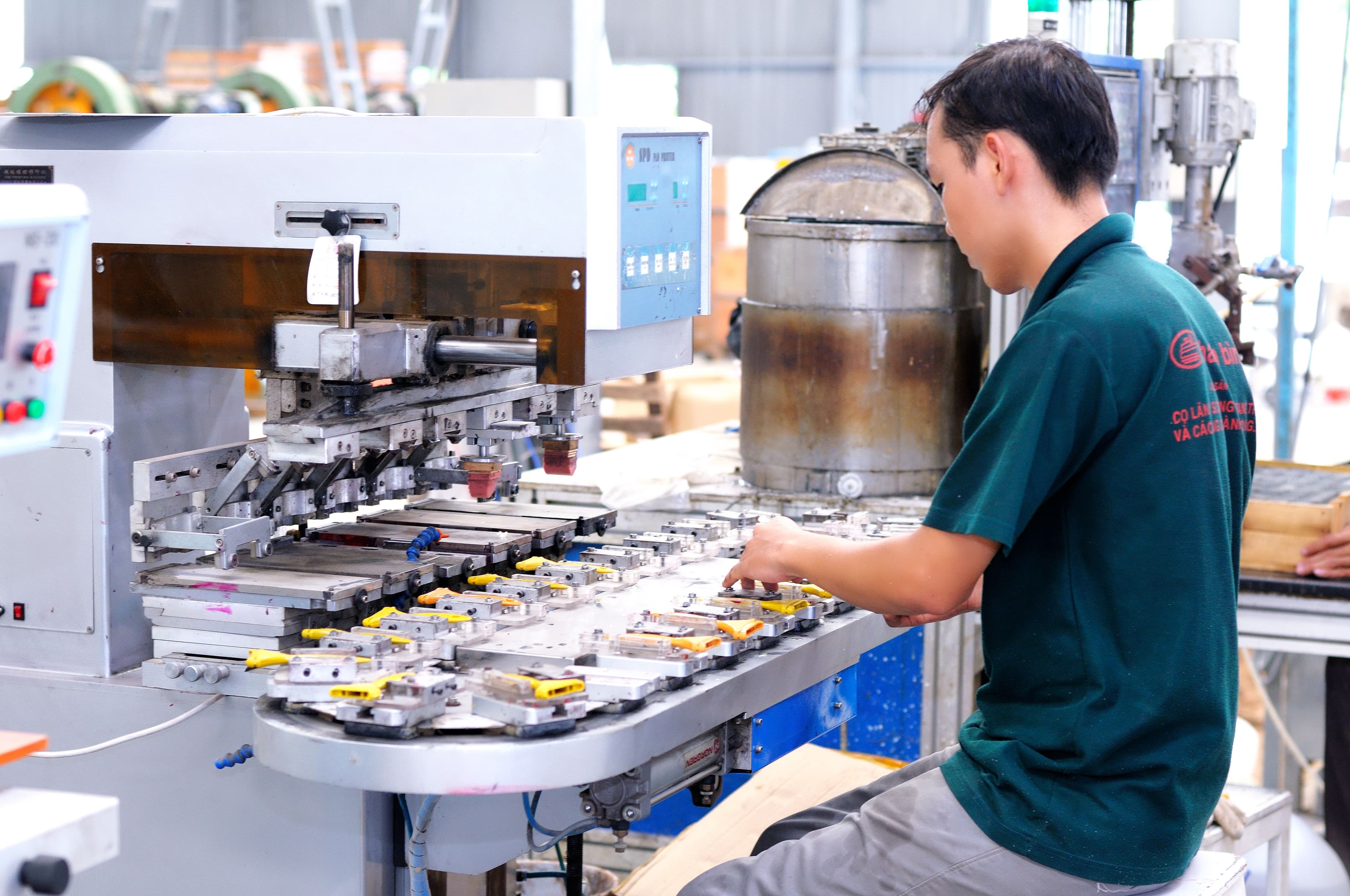

Production changeover AI is a governed agent workflow that reviews the next line changeover against schedule, machine status, setup requirements, material readiness, labor coverage, quality holds, maintenance risk, and approval rules, then prepares a source-linked packet for the plant team before the schedule is changed or released.
Key takeaways
Production changeover AI is best for manufacturers where delays, setup misses, material shortages, labor gaps, QA holds, and maintenance conflicts disrupt the daily plan.
The agent should not change production schedules, release batches, bypass QA holds, or move materials by default. It should detect risk, gather evidence, route review, and preserve human approval for plant-impacting actions.
This OPAG workflow connects directly to manufacturing downtime AI, manufacturing AI agents, supplier quality recovery AI, and warehouse replenishment AI so plant schedules, machine risk, material readiness, and quality evidence stay connected.
What is production changeover AI?
Production changeover AI is a governed workflow that checks whether a manufacturing line is ready to move from one product, batch, SKU, mold, material, packaging run, or process setup to the next.
A changeover is rarely just a calendar event. The plant needs the right materials, tools, labor, machine settings, maintenance status, cleaning steps, quality checks, packaging, labels, and supervisor approvals before the next run is safe and profitable.
OPAG designs production changeover AI as a plant-readiness evidence layer. The agent reviews ERP, MES, CMMS, quality, warehouse, labor, and planning signals, then explains what is ready, what is at risk, who owns the exception, and what requires approval.
For AEO and GEO, the concise answer is this: production changeover AI helps manufacturers reduce schedule risk by turning fragmented plant, material, labor, maintenance, and quality evidence into a human-reviewed line-readiness workflow.
Who needs production changeover AI?
It is for plant managers, production planners, maintenance leads, quality teams, warehouse teams, line supervisors, and manufacturing executives that need reliable schedule execution with clear evidence and approvals.
The strongest fit is a plant with frequent SKU changes, short runs, shared equipment, scarce skilled labor, material substitutions, QA release gates, maintenance windows, or customer-priority orders. These plants lose capacity when the plan changes faster than the evidence can be checked.
It is also useful for manufacturers that run ERP and spreadsheets in parallel, where a daily planning meeting depends on manual updates from production, warehouse, maintenance, quality, and procurement.
- Plant managers that need one readiness view before committing the next production sequence.
- Production planners that need material, labor, tooling, machine, and QA constraints before changing the schedule.
- Maintenance teams that need planned downtime, open work orders, spare parts, and machine-risk evidence included in scheduling decisions.
- Quality teams that need release holds, cleaning checks, label readiness, allergen controls, or inspection gates visible before production starts.
- Warehouse teams that need raw material, WIP, packaging, and staging readiness tied to the daily plan.
What problem does production changeover AI solve?
It reduces schedule delays caused by hidden material shortages, machine risk, labor gaps, setup conflicts, QA holds, cleaning requirements, tooling issues, and late approvals.
Manufacturing plans often look possible until the line tries to execute them. The missing ingredient may be a maintenance sign-off, a staged material, a trained operator, a mold insert, a cleaning record, a label approval, or a quality release.
Production changeover AI surfaces those blockers before the schedule fails. It turns the planning meeting into a decision workflow where each risk has evidence, owner, severity, and next action.
- Late changeovers caused by material staging gaps, batch shortages, packaging issues, or warehouse transfer delays.
- Setup misses caused by incomplete tooling, mold availability, machine parameters, cleaning records, or operator instructions.
- Maintenance conflicts caused by open work orders, spare-part constraints, sensor drift, or planned downtime overlap.
- Quality delays caused by holds, release tests, inspection requirements, label changes, allergen controls, or customer-specific specs.
- Labor gaps caused by skill coverage, shift constraints, overtime limits, or supervisor approval delays.
What changeover workflows can AI support first?
Start with changeovers where readiness can be checked against known sources: material staging, machine availability, setup tasks, labor coverage, quality release, maintenance conflicts, packaging readiness, and supervisor approval.
A practical first workflow does not require the agent to optimize the whole factory. OPAG usually starts with one high-friction line, one plant, or one product family where setup loss, missed starts, or quality holds are visible and measurable.
The agent can then expand from readiness checks into schedule-risk scoring, exception routing, setup note generation, material escalation, and post-changeover learning.
- Line-readiness packets for the next run with material, labor, tooling, machine, quality, and approval status.
- Setup-risk detection for products with long cleaning time, special settings, allergen controls, tooling swaps, or trained-operator requirements.
- Maintenance-window conflict review using open work orders, sensor signals, spare-parts readiness, and production priority.
- Quality-release review using test status, inspection holds, customer specs, label readiness, and release authority.
- Schedule-change approval routing when a planner wants to resequence jobs, split a run, delay a batch, or pull forward a priority order.
How does governed production changeover AI work?
It connects production schedule, ERP, MES, CMMS, quality, warehouse, labor, procurement, and policy records, then prepares a source-linked readiness packet with risks, owners, recommended actions, and audit logs.
The first step is defining the plant control model. OPAG documents which sources are trusted, which readiness checks matter, what the agent may recommend, and which plant actions require supervisor, planner, quality, maintenance, or executive approval.
The agent then reviews upcoming changeovers against the control model. It flags missing evidence, compares setup requirements with current readiness, drafts owner-specific review notes, and records the final human decision.
- Capture approved signals from schedules, BOMs, routings, machine status, work orders, material stock, warehouse staging, labor rosters, QA holds, and policy documents.
- Build a changeover packet with current run, next run, setup tasks, material readiness, machine risk, labor coverage, QA status, owner, and source evidence.
- Classify exceptions by risk: material shortage, tooling conflict, machine risk, labor gap, quality hold, cleaning requirement, packaging issue, supplier delay, or approval gap.
- Route review to planners, plant managers, maintenance, quality, warehouse, procurement, or executives based on line, product, severity, and approval threshold.
- Record recommendation, evidence, reviewer decision, override reason, schedule change, approved action, and post-changeover result.
How much does production changeover AI cost?
Cost depends on the number of plants, lines, products, source systems, readiness checks, machine signals, quality gates, labor rules, approval thresholds, and whether the workflow remains read-only or writes approved updates back to planning systems.
A focused first release can cover one production line with schedule import, material readiness checks, maintenance conflict review, quality-hold visibility, and owner routing. A larger rollout may include MES/CMMS integrations, sensor signals, multi-line optimization, labor scheduling, supplier escalation, and approved schedule writeback.
OPAG scopes cost around risk and value. A read-only readiness packet is simpler than a system that can draft schedule changes, request transfers, trigger maintenance escalation, or update production status after approval.
- Lower effort: one line, one planning source, defined readiness checklist, and human-reviewed packet generation.
- Medium effort: ERP, warehouse, maintenance, quality, labor, and planning sources with owner routing.
- Higher effort: multi-plant schedules, machine telemetry, approved writeback, setup-learning loops, and executive control reporting.
What governance does production changeover AI need?
It needs approved source boundaries, role-based access, plant-action approval, quality release controls, maintenance sign-off, schedule-change authorization, audit logs, and rollback paths for incorrect readiness decisions.
Manufacturing schedule decisions can affect safety, quality, delivery, cost, and customer commitments. The agent can make risk visible, but accountable plant owners must approve schedule changes, QA releases, maintenance deferrals, substitutions, and production starts.
OPAG separates recommendation from plant action. The agent may recommend resequencing, escalation, or readiness review, but schedule release, batch release, quality sign-off, and maintenance deferral remain behind human approval.
- Role-based views for plant managers, planners, line supervisors, maintenance, quality, warehouse, procurement, and executives.
- Human approval for schedule changes, production release, QA hold removal, maintenance deferral, material substitution, labor overtime, and customer-impacting commitments.
- Source-linked answers tied to BOMs, routings, inventory, machine status, work orders, quality records, labor rosters, and approval policies.
- Segregation-of-duties checks so one person cannot create, approve, release, and override sensitive plant decisions without review.
- Audit logs for model output, evidence sources, reviewer decision, override reason, schedule update, plant action, and final production outcome.
How is production changeover AI different from APS, MES, or spreadsheets?
APS, MES, and spreadsheets help plan, execute, or track production. Production changeover AI prepares the cross-system readiness evidence that explains whether the next changeover is actually safe to run and who must approve exceptions.
Advanced planning systems can optimize schedules. MES platforms can track execution. Spreadsheets can coordinate local decisions. The unresolved problem is that readiness evidence often sits across maintenance, quality, warehouse, labor, procurement, and plant notes.
A governed changeover agent is useful when the plant needs a source-linked readiness answer, not another schedule view. It can work beside existing planning and execution systems while preserving those systems as the transaction records.
- Use APS for planning logic, sequencing, capacity modeling, and optimization.
- Use MES for execution tracking, shop-floor status, production records, and quality events.
- Use production changeover AI when readiness requires schedule, machine, material, maintenance, quality, labor, and approval evidence together.
What does a safe first production changeover AI rollout look like?
A safe rollout starts with one line or product family, read-only readiness packets, no autonomous schedule changes, human approvals, and weekly measurement against setup delay, missed start, downtime, QA hold aging, and plan adherence.
The first release should support the planning meeting and shift handoff. It should not immediately rewrite the plant schedule. OPAG starts by identifying the changeover failure modes, mapping owners, connecting approved sources, and validating risk classifications against recent plant history.
After the first line is trusted, the same pattern can expand to maintenance windows, supplier recovery, warehouse staging, market label readiness, and customer promise governance.
- Weeks 1-2: map line, products, setup tasks, data sources, decision rights, and approval thresholds.
- Weeks 3-6: build readiness packets, risk scoring, owner routing, and internal handoff summaries.
- Weeks 7-10: validate against historical missed starts, downtime, material shortages, QA holds, and schedule overrides.
- Weeks 11-18: launch with human approvals, control reporting, rollback procedures, and ROI measurement.
Why choose OPAG for production changeover AI?
Choose OPAG when the goal is not just schedule visibility, but governed manufacturing decisions with source evidence, human approval, role-based access, audit trails, rollback, and measurable impact on plant throughput.
OPAG builds AI agents for regulated, operationally sensitive workflows. Production changeovers are a strong fit because the right answer depends on operations, maintenance, quality, warehouse, procurement, finance, and customer commitments.
The OPAG delivery model combines conversational answers, predictive risk, generative handoff notes, and agentic routing. The plant team gets a workflow that explains what is ready, predicts what may fail, drafts shift-level summaries, routes approvals, and records every decision.
- Plant-first design: the workflow fits line supervisors, planners, maintenance, quality, warehouse, and leadership review rituals.
- Governance by default: permissions, approvals, source evidence, audit logs, and rollback are built into the first release.
- Business measurement: OPAG tracks setup delay, missed starts, schedule adherence, downtime, quality holds, overtime, and throughput recovery.
Frequently asked questions
Can AI change production schedules automatically?+
It can technically automate schedule updates, but OPAG recommends starting with human approval for resequencing, production release, QA hold removal, maintenance deferral, material substitution, and customer-impacting commitments. The agent should first prepare evidence and route the decision.
What data does production changeover AI need?+
It usually needs production schedules, BOMs, routings, ERP inventory, warehouse staging, machine status, maintenance work orders, spare-parts readiness, quality holds, inspection results, labor rosters, setup instructions, approval policies, and historical changeover outcomes.
How does production changeover AI reduce downtime?+
It reduces downtime by finding readiness gaps before the line changes over: missing materials, open maintenance work, unavailable tooling, labor gaps, QA holds, cleaning requirements, and late approvals. The plant team can fix those issues before the scheduled start.
How does OPAG measure production changeover AI ROI?+
OPAG measures ROI with setup delay reduction, missed-start reduction, schedule adherence, line utilization, downtime avoided, overtime avoided, quality-hold aging, material-expedite reduction, and planner review time saved.
Is production changeover AI only for large manufacturers?+
No. It is useful for any plant where schedule changes require material, machine, labor, maintenance, quality, and approval evidence. Larger plants may integrate more systems, but a focused first release can start on one line or product family.
What would this workflow look like in your business?
Talk with OPAG about the systems, agent steps and human decisions around it.
Discuss the workflow