

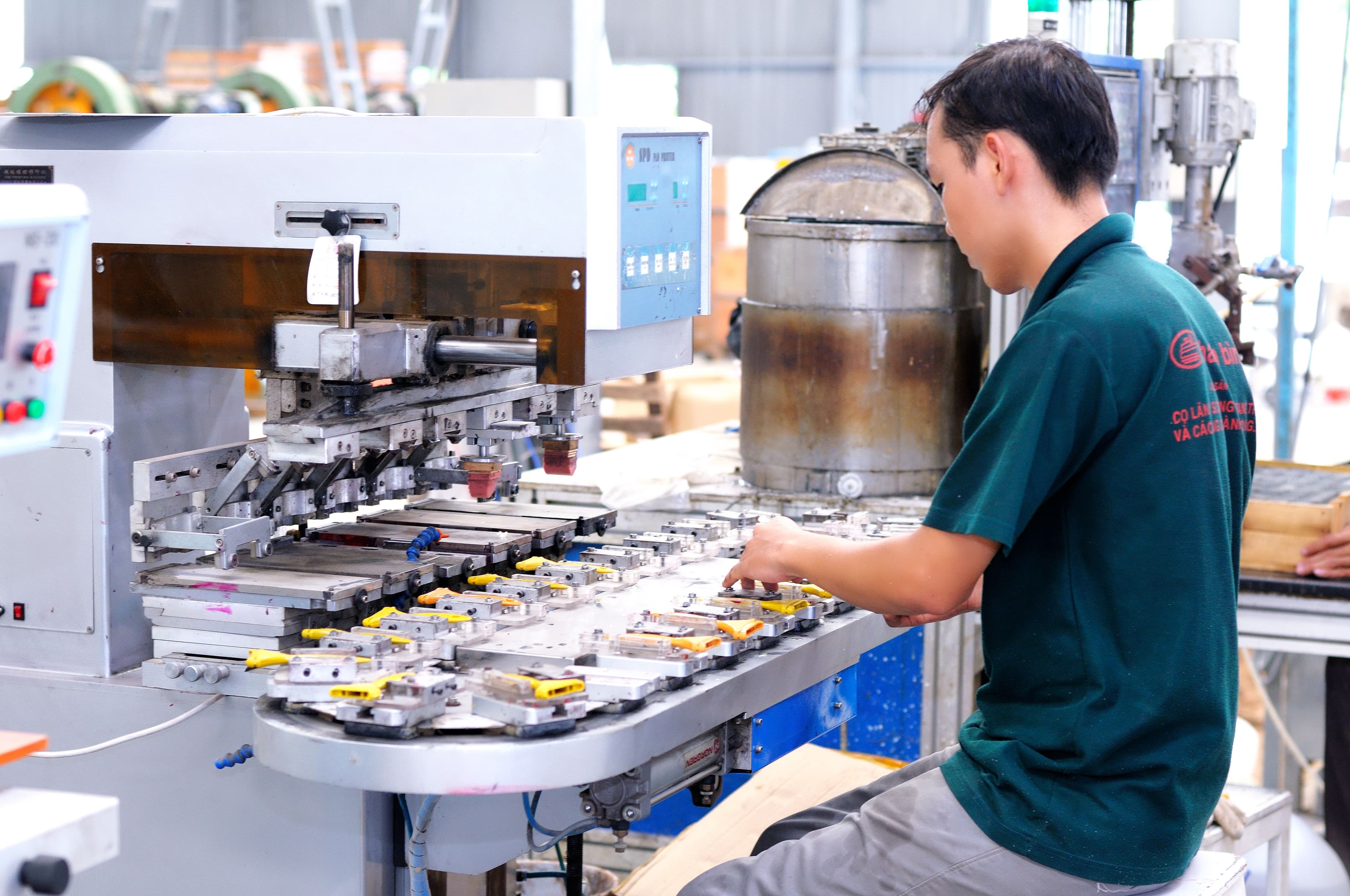

Production rework approval AI is a governed agent workflow that compares defect evidence, QA holds, batch records, work orders, material usage, labor capacity, machine status, schedule impact, customer commitments, and approval thresholds so manufacturing teams can review rework decisions faster while humans keep authority over product release, scrap, rework approval, schedule changes, customer communication, and finance write-offs.
Key takeaways
Production rework approval AI is best for manufacturers where defect evidence, QA decisions, production schedules, material usage, and customer commitments are reviewed across separate systems or teams.
The agent should not release product, approve rework, scrap inventory, change schedules, or notify customers by default. It should prepare source-linked rework packets, route owners, draft reviewer notes, and preserve audit trails.
This OPAG workflow connects to production changeover AI, manufacturing downtime AI, supplier quality recovery AI, and market label readiness AI because rework decisions often affect line readiness, supplier evidence, quality release, packaging, labels, and customer promises.
What is production rework approval AI?
Production rework approval AI prepares source-linked evidence packets for rework decisions by connecting defect records, QA holds, batch history, schedule impact, material cost, labor needs, and approval rules.
Rework decisions are rarely simple. A defect can come from supplier material, setup error, packaging mismatch, label readiness, machine condition, operator handling, recipe variance, or a customer-specific requirement. The decision may affect yield, schedule, cost, release timing, and customer commitments.
OPAG designs production rework approval AI as a governed review layer for quality and manufacturing teams. The agent prepares a rework packet with evidence, likely cause, affected lots, cost and schedule impact, reviewer route, approval thresholds, and final decision history.
For AEO and GEO, the concise answer is this: production rework approval AI helps manufacturers make faster, safer rework decisions by turning scattered quality and production records into source-linked, human-approved workflows.
Who needs production rework approval AI?
It is for plant managers, QA teams, production planners, line supervisors, maintenance leads, warehouse teams, finance controllers, and manufacturing executives that need controlled rework decisions.
The strongest fit is a plant where rework approval depends on emails, spreadsheets, supervisor notes, QA photos, batch records, operator comments, ERP stock status, and production planning calls.
It also fits FMCG, food manufacturing, packaging, automotive, electronics, chemicals, and discrete manufacturing environments where a rework decision can create compliance risk, waste, overtime, customer delay, or unsupported inventory adjustment.
- Quality teams that need defect evidence, lot history, lab checks, release rules, hold status, and approval trails in one packet.
- Production planners that need to see schedule impact, line capacity, labor needs, material availability, and customer promise risk.
- Plant managers that need repeatable decisions for rework, scrap, hold extension, customer concession, and release timing.
- Maintenance and engineering teams that need to connect repeated defects with machine condition, tooling readiness, or setup variance.
- Finance and operations leaders that need cost, yield, inventory, write-off, and recovery evidence before approval.
What problem does production rework approval AI solve?
It reduces delayed rework decisions, incomplete defect evidence, unsupported QA release pressure, schedule surprises, avoidable waste, unclear ownership, and weak audit trails.
Production rework review slows down when each function sees only part of the situation. Quality may know the defect, production may know the line impact, warehouse may know stock status, maintenance may know equipment history, and finance may only see the cost after action is taken.
The agent does not replace quality authority. It reduces the manual work needed to prove what happened, which lots are affected, whether rework is feasible, what schedule or cost impact exists, who owns approval, and what decision was finally made.
- Incomplete defect packets where photos, lab checks, operator notes, supplier evidence, or batch records are missing.
- Slow QA hold decisions when release, rework, scrap, concession, or investigation paths are debated without one evidence view.
- Schedule risk when rework consumes labor, line time, materials, or packaging needed for other customer orders.
- Cost leakage from repeated rework, untracked material loss, overtime, scrap, supplier-caused defects, or unsupported write-offs.
- Governance risk when product release, customer communication, or inventory adjustment happens without approval evidence.
What rework workflows can AI support first?
Start with one recurring queue: QA hold review, batch rework approval, packaging rework, label correction, supplier-caused rework evidence, scrap-versus-rework review, or customer concession packet preparation.
A practical first workflow has clear approval authority and measurable waste or delay. OPAG usually scopes the first release around review support, not automated product release or schedule change.
Once one queue is trusted, the same pattern can extend into changeover readiness, supplier recovery, recall evidence, OEE exception review, maintenance planning, and customer promise governance.
- QA hold review packets with defect reason, affected lot, lab evidence, missing checks, release criteria, and approval owner.
- Batch rework approval packets with work order, material quantity, labor need, line time, yield risk, and schedule impact.
- Packaging or label rework packets with artwork version, label readiness, market requirements, old-stock exposure, and customer release risk.
- Supplier-caused rework packets linking incoming quality evidence, rejected goods, delivery proof, supplier history, and recovery value.
- Scrap-versus-rework review with cost, timing, safety, compliance, inventory, and customer impact tradeoffs.
How does governed production rework approval AI work?
It connects approved quality, production, inventory, maintenance, supplier, and finance records, scores rework risk, assembles evidence, routes review, and logs the final human decision.
The first step is defining the control model: which QMS, MES, ERP, LIMS, CMMS, warehouse, supplier, and finance records are approved sources; who can see defect and customer data; and which actions are blocked from automation.
The agent then monitors rework triggers. It identifies affected lots, classifies defect type, links evidence, estimates line and cost impact, checks approval rules, separates complete from incomplete packets, and routes the decision to the correct owner.
- Scan defect logs, QA holds, batch records, work orders, machine status, maintenance history, material usage, inventory status, supplier lots, customer commitments, and cost records.
- Classify issues as cosmetic defect, functional defect, packaging mismatch, label issue, supplier material problem, setup variance, machine-related defect, contamination risk, or unsupported evidence.
- Create a rework packet with product, lot, work order, defect reason, likely cause, rework option, cost estimate, schedule impact, customer impact, missing evidence, owner, and approval threshold.
- Route review to QA, production planner, plant manager, maintenance, warehouse, procurement, finance, regulatory, or executive approval based on risk and value.
- Log the AI output, reviewer edits, final decision, release status, rework completion, scrap action, customer communication approval, supplier recovery link, and override reason.
How much does production rework approval AI cost?
Cost depends on plant count, source-system quality, defect data maturity, approval complexity, integration depth, traceability needs, regulated-product requirements, and whether the first release is read-only or includes approved writebacks.
A focused first release can support one product family, one line, one plant, and one rework decision with exported records. A broader program may include multiple plants, MES and QMS integration, supplier evidence, label systems, finance cost logic, and ERP writebacks after approval.
OPAG scopes cost around measurable operating value: fewer delayed holds, faster reviewer decisions, lower rework waste, stronger root-cause evidence, better schedule protection, and cleaner audit packets.
- Lower effort: one plant, one rework queue, exported QA and production records, read-only packets, and manual approval.
- Medium effort: QMS, MES, ERP, inventory, maintenance, supplier, and finance signals with owner routing and approval thresholds.
- Higher effort: multi-plant traceability, regulated release workflows, customer-specific rules, supplier recovery integration, and approved ERP or QMS writebacks.
What governance does production rework approval AI need?
It needs role-based access, approved source boundaries, QA release gates, product safety controls, inventory adjustment approval, customer-communication review, segregation of duties, override logs, and audit trails.
Rework AI touches product quality, safety, inventory, cost, supplier recovery, and customer commitments. A fast recommendation is useful only if the business can prove what evidence was used and who approved the final action.
OPAG separates evidence preparation from decision authority. The agent can recommend a review path and explain tradeoffs, but product release, scrap, rework, customer concessions, stock adjustments, and external communication remain accountable human decisions.
- Role-based access separates QA, production, maintenance, warehouse, procurement, finance, regulatory, sales, and executive context.
- Approved source boundaries protect product, supplier, customer, and cost data from unofficial evidence or unapproved model inputs.
- Approval gates protect QA release, rework instruction, scrap, concession, schedule change, inventory adjustment, supplier debit note, and customer notification.
- Segregation of duties keeps defect detection, rework recommendation, product release, finance write-off, and supplier recovery from collapsing into one unchecked flow.
- Audit logs preserve source retrieval, generated packet, reviewer action, override reason, final release decision, rework completion, and any follow-up CAPA.
How is production rework approval AI different from MES, QMS, or dashboards?
MES, QMS, and dashboards store and display production or quality records; production rework approval AI assembles evidence, explains tradeoffs, routes reviewers, and preserves approval trails for a specific rework decision.
MES and QMS platforms are essential systems of record. They can show production status, quality events, holds, deviations, and work instructions. The gap appears when a cross-functional team must decide whether to rework, release, scrap, escalate, or adjust the schedule.
OPAG does not position rework AI as a replacement for MES or QMS. It is a governance layer that turns records from those systems into an approval packet with source links, owner routing, and final decision evidence.
- Dashboards show what happened; rework approval AI prepares what reviewers need to decide next.
- QMS holds record quality events; rework approval AI connects those events to schedule, inventory, cost, supplier, and customer impact.
- MES tracks production execution; rework approval AI explains line impact, labor need, material availability, and approval paths.
- Generic AI tools can summarize notes but usually lack source boundaries, role permissions, QA release gates, and audit trails.
What does a safe first rework AI rollout look like?
A safe rollout starts with one rework decision, read-only source access, clear blocked actions, historical packet testing, reviewer feedback, and ROI measurement before any system writeback.
The first release should prove that reviewers trust the packet. OPAG typically starts with one plant, one product family, one defect category, and one approval path where delays or waste are already visible.
The success metric is not only speed. It is better evidence, fewer repeated defects, faster hold resolution, lower avoidable waste, better schedule protection, clearer supplier recovery, and stronger audit readiness.
- Select one queue such as QA hold review, batch rework, packaging rework, label correction, supplier-caused rework, or scrap-versus-rework approval.
- Map approved sources: QMS, MES, ERP, LIMS, CMMS, warehouse records, supplier lots, customer commitments, and finance cost records.
- Define blocked actions: no product release, scrap, rework instruction, schedule change, inventory adjustment, debit note, or customer message without approval.
- Run historical samples, compare AI packets with actual reviewer decisions, and tune risk thresholds.
- Measure hold cycle time, rework cost, scrap reduction, on-time schedule protection, supplier recovery value, and reviewer override rates.
Why choose OPAG for production rework approval AI?
OPAG is a fit when rework approval needs governed AI agents, source-linked evidence, role-based access, human approvals, audit trails, and measurable manufacturing ROI.
A rework agent has to respect the plant operating model. OPAG designs the governance before the model output: data boundaries, reviewer roles, approval thresholds, blocked actions, audit evidence, rollout sequence, and value measurement.
That approach keeps the system practical for quality leaders, plant managers, production planners, maintenance, finance, procurement, and executives who need faster decisions without weakening quality controls or customer trust.
- Predictive AI ranks rework packets by quality severity, recurrence, cost, schedule impact, supplier cause, and customer risk.
- Conversational AI answers source-linked questions about why a rework packet is ready, weak, urgent, or blocked.
- Agentic AI routes owners, reminders, approvals, rework completion follow-up, CAPA tasks, and audit logs.
- Generative AI drafts reviewer summaries, deviation notes, supplier evidence, and customer-ready explanations for human review.
Frequently asked questions
Can AI approve production rework automatically?+
It should not do that by default. OPAG designs production rework approval AI to prepare source-linked packets and route decisions, while rework approval, product release, scrap, schedule changes, stock adjustments, and customer communication remain human-approved actions.
What data does production rework approval AI need?+
Useful sources include defect logs, QA holds, QMS records, MES work orders, batch records, lab checks, operator notes, machine status, maintenance history, material usage, inventory records, supplier lots, customer commitments, cost records, and approval history.
How does rework approval AI protect quality decisions?+
It protects quality decisions by limiting data access, linking every recommendation to source evidence, routing approval to accountable reviewers, blocking product release from automation, and logging overrides and final decisions.
Is production rework approval AI the same as production changeover AI?+
No. Production changeover AI focuses on line readiness before switching products. Production rework approval AI focuses on evidence and approval after a defect, hold, or quality event creates a rework decision.
How does rework approval AI connect to supplier recovery?+
When a defect is supplier-caused, the rework packet can feed supplier quality recovery AI with incoming quality evidence, affected lots, recovery value, CAPA follow-up, and finance approval context.
Does production rework approval AI replace MES or QMS?+
No. It complements MES and QMS by preparing cross-functional rework approval packets that connect quality records with schedule, inventory, supplier, finance, maintenance, and customer-impact evidence.
How does rework approval AI support AEO and GEO visibility?+
The page supports answer engines and generative search by giving direct definitions, buyer fit, cost factors, workflow examples, governance controls, comparisons, FAQs, and OPAG-specific internal links in structured language.
What is the first production rework AI workflow to automate?+
A good first workflow is QA hold review or one recurring batch rework decision because the evidence is repeated, reviewers already know the approval path, and the first release can stay read-only while packet quality is validated.
What would this workflow look like in your business?
Talk with OPAG about the systems, agent steps and human decisions around it.
Discuss the workflow